
Introduction to Coffee Beans
Coffee beans serve as the foundational component for one of the most popular beverages worldwide. These beans are the seeds of the Coffea plant and are primarily categorized into two major types: Arabica and Robusta. Understanding the differences between these beans is crucial, as each contributes distinct flavors and characteristics to the final cup of coffee. Arabica beans, known for their smooth and mild taste, constitute approximately 60-70% of global coffee production. They thrive at higher altitudes and are generally more sensitive to climate variations. On the other hand, Robusta beans are recognized for their strong, bold flavor and higher caffeine content. They are more resilient, able to withstand varying growing conditions, which allows them to be cultivated in a wider range of environments.


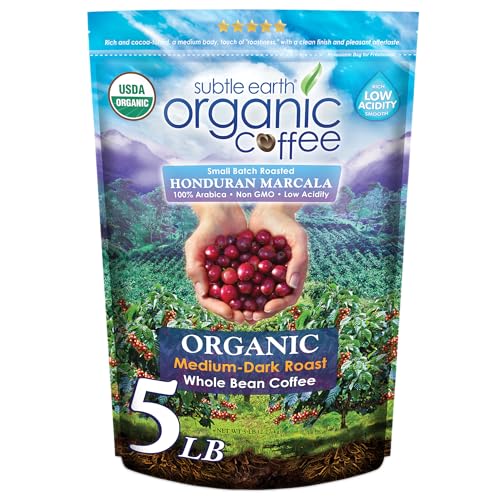

The journey of coffee from bean to cup encompasses several stages, including cultivation, harvesting, processing, and roasting. Once harvested, the beans undergo processing to remove the outer fruit, and subsequently, they are dried. The roasting stage is particularly crucial, as it transforms the chemical and physical properties of the green coffee beans, releasing oils and developing the flavor profile that consumers enjoy. The roasting process can vary significantly, with lighter roasts often highlighting the beans’ natural acidity and origin characteristics, while darker roasts tend to emphasize a bolder, deeper flavor.
This comprehensive small-scale production, rich processing techniques, and engaging flavor profiles underscore the significance of coffee beans in the coffee industry. Coffee, which is estimated to be enjoyed by millions daily, is not merely a beverage but also a complex cultural experience. Each cup reflects the meticulous journey from green bean to brewed coffee, making the understanding of coffee beans essential for anyone looking to appreciate this beloved drink fully.
Types of Coffee Beans
Coffee has become an essential part of daily life for many around the globe. The rich and diverse flavors of coffee can largely be attributed to the type of coffee beans used. The four main types of coffee beans are Arabica, Robusta, Liberica, and Excelsa. Each offers unique qualities that cater to different palates and preferences.
Arabica beans are the most widely cultivated, representing about 60-70% of the world’s coffee production. Known for their smooth and mild flavor, they often exhibit a range of fragrant notes, including fruit, sugar, and floral undertones. Grown primarily in higher altitudes, Arabica thrives in cooler climates, which helps develop its complex flavor profile. This bean is ideal for those who appreciate a nuanced coffee experience.
Robusta beans, on the other hand, account for approximately 30-40% of the coffee market. They are often considered more robust in flavor, possessing a stronger, earthier taste with a distinctive bitterness. Robusta is typically grown at lower altitudes and is more resilient to pests and disease, making it easier to cultivate under diverse conditions. Coffee lovers who prefer a bolder, caffeine-rich cup often gravitate towards Robusta beans.
Liberica and Excelsa beans are less common but offer unique flavors that intrigue adventurous coffee drinkers. Liberica is known for its distinctly woody and floral taste, often described as fruity and aromatic. This bean is primarily grown in West Africa and Southeast Asia. Excelsa, a variety of Liberica, has a more intense fruity profile with a hint of tartness. These beans are typically used in blends to add complexity and depth to the flavor.
When selecting coffee beans, it is essential to consider personal taste preferences and desired flavor profiles. Understanding the differences between Arabica, Robusta, Liberica, and Excelsa can enhance your coffee experience and guide you in making informed choices.
The Coffee Bean Growing Process
The journey of coffee beans begins with careful cultivation, starting from the selection and planting of seeds. Coffee plants, primarily of the Arabica and Robusta varieties, thrive in specific environmental conditions. These conditions include a warm climate, with an ideal temperature range between 60°F and 70°F (15°C and 24°C), and abundant rainfall, typically between 40 to 100 inches per year. The humidity levels must also be considered, as coffee plants flourish in a moderately humid environment.
Soil quality plays a pivotal role in the growth of coffee plants. Coffee thrives in well-draining, nutrient-rich soils, often found in volcanic regions. The presence of organic matter significantly enhances the soil’s fertility, which is integral for the healthy growth of coffee plants. Proper soil pH is also crucial; coffee prefers a slightly acidic pH of around 6 to 6.5. Farmers often conduct soil tests to ensure optimal conditions are met for the vibrant cultivation of coffee.
Altitude is another key factor influencing the growth of coffee plants and the flavor profiles of the beans. Generally, coffee grown at higher elevations develops a more refined taste due to slower maturation, which allows the beans to produce more complex flavors and acidity. Regions such as Colombia, Ethiopia, and Costa Rica are famous for their high-altitude coffee farms. The distinct climates, coupled with regional soil compositions, contribute to the diverse flavor characteristics associated with coffee from different parts of the world.
Once fully matured, coffee cherries are harvested, usually twice a year, during the coffee season. The harvesting process can be labor-intensive, as it often requires picking cherries by hand to ensure only ripe fruits are collected. This meticulous harvesting ultimately leads to the production of beans that reflect the unique growing conditions and regions they originate from, culminating in the rich, diverse world of coffee that many enjoy today.
Harvesting and Processing Coffee Beans
The journey from coffee cherry to the brewed beverage begins with the careful harvesting of coffee beans. This crucial step can be conducted through two primary methods: hand-picking and mechanical harvesting. Hand-picking is the traditional technique where workers selectively choose ripe cherries from coffee trees. This method is labor-intensive but offers the advantage of allowing pickers to select only the best cherries, which enhances the overall quality of the beans. It is particularly common in regions where high-quality specialty coffee is produced, as it ensures that only the choicest fruits are collected.
On the other hand, mechanical harvesting employs machines that strip cherries off the coffee plants in one swift motion. This method is efficient, significantly reducing labor costs and time. However, mechanical harvesting often results in a mix of ripe and unripe cherries being collected, which can adversely affect the flavor profile of the final product. The choice between these two methods largely depends on the scale of production and the desired quality of the coffee beans.
Once harvested, coffee beans undergo post-harvest processing to prepare them for market. The two most common methods of processing are washed and natural processes. In the washed process, mucilage surrounding the bean is removed using water, which can lead to a cleaner taste and brighter acidity. This technique is highly valued for its ability to showcase the intrinsic flavors of the beans. Conversely, the natural process involves drying the entire cherry in the sun, allowing the beans to absorb sweetness and fruitiness from the pulp. This method often results in a fuller body and fruit-forward flavors.
After processing, the beans are milled to remove any remaining parchment layer or defects, ensuring uniformity and quality. Each step from harvesting to processing plays a vital role in shaping the flavor profile of coffee beans, significantly influencing the final cup that consumers enjoy.
Roasting Coffee Beans
Roasting coffee beans is both an art and a science that significantly influences the final flavor and aroma of the brew. The process transforms green beans into the aromatic, brown beans used for brewing coffee. Roasting levels can generally be categorized into three main types: light, medium, and dark. Each roasting level brings out distinct characteristics in the coffee. Light roasts highlight the unique flavors derived from the specific coffee bean varietals, offering bright acidity and floral notes. In contrast, medium roasts strike a balance, allowing for fruity undertones while providing a richer body. Dark roasts, on the other hand, are characterized by their intense, bold flavors, often accompanied by notes of chocolate and a caramelized sweetness.
The impact of roasting on flavor cannot be overstated; it is during this process that the Maillard reaction occurs, deepening the complexity of coffee’s taste profile. Roasting durations can vary according to the type of bean being used. For instance, lighter beans usually require shorter roasting times, while denser beans benefit from longer exposure to heat, which can help in developing a fuller flavor. Moreover, the choice of roasting method, whether air roasting or drum roasting, can also affect the outcome, providing further nuances that can enhance the drinking experience.
It is essential to emphasize the importance of freshly roasted beans for achieving a superior cup of coffee. The aromatic compounds responsible for coffee’s enchanting scent begin to diminish shortly after roasting, highlighting the need for consumers to prioritize freshness. For those interested in taking their coffee experience to the next level, home roasting is a gratifying option. By investing in a quality home roaster and mastering the basic techniques, enthusiasts can experiment with different roasting levels and explore the rich diversity of flavors that coffee beans have to offer.
Storing Coffee Beans for Freshness
To preserve the freshness and flavor of coffee beans, proper storage is crucial. The exposure to light, air, moisture, and temperature can dramatically affect the quality of coffee over time. Therefore, choosing the right storage methods is essential for maintaining the beans’ aroma and taste.
First, consider the ideal storage containers. Oxygen is one of the biggest enemies of coffee beans, leading to staleness. Thus, it’s advisable to use airtight containers that effectively block out air. Glass, ceramic, or opaque containers designed specifically for coffee storage are excellent choices. It is essential to avoid clear containers, as they allow light to penetrate, which can further degrade the beans. Ideally, the container should be kept in a cool, dark place to minimize exposure to light and heat.
When it comes to temperature, coffee beans should be stored at a constant temperature that is cool but not cold. Refrigeration is generally not recommended, as the moisture from the refrigerator can alter the beans’ flavor. Instead, the best storage location is a pantry or cupboard, away from appliances that generate heat, such as ovens or microwaves. Keeping coffee beans at room temperature ensures they do not absorb odors from other foods and maintains their integrity.
Additionally, it is advisable to avoid bulk purchases of coffee beans unless you plan to consume them relatively quickly. Coffee should be bought in quantities that can be consumed within a couple of weeks after opening. This practice limits the exposure time to elements that can compromise flavor and freshness. By adhering to these best practices for storing coffee beans, you can significantly enhance your coffee experience, ensuring each cup is as delightful as intended.
The Role of Coffee Beans in Brewing Methods
Coffee beans are integral to the brewing process, as their unique characteristics significantly influence the flavor profile and overall experience of the beverage. Various brewing methods offer distinct ways to extract flavors from coffee beans, each with its advantages and nuances. Understanding how different techniques interact with coffee beans can help consumers select their preferred brewing style and maximize flavor potential.
One of the most popular methods, the espresso technique, utilizes finely ground coffee beans. This brewing method relies on high pressure to force hot water through the grounds, resulting in a concentrated shot rich in flavor. The choice of coffee bean, including roast level and origin, can drastically change the espresso’s taste, allowing for a diverse range of profiles, from fruity to nutty. The robustness of espresso serves as a foundation for many coffee-based beverages, underscoring the significance of the chosen beans.
In contrast, the French press method allows for a more prolonged extraction process. Coarsely ground coffee beans steep in hot water for several minutes, producing a full-bodied cup with a richer texture. This method captures the oils released from the beans, contributing to a robust flavor. Once again, the characteristics of the beans come to the forefront, as variations in roasting and origin can enhance or mute certain flavors.
The pour-over technique is another popular choice, emphasizing the importance of grind size and water temperature to achieve a delicate balance of flavors. This method allows consumers to control the brewing time, highlighting the intricate notes within the coffee beans. Meanwhile, cold brew offers a different experience altogether, utilizing a longer infusion time with coarsely ground beans, resulting in a sweeter and smoother concoction, often served iced.
Ultimately, the brewing method selected can dramatically transform the sensory experience of coffee. By understanding how various techniques interact with coffee beans, individuals can better appreciate the nuanced flavors each type of bean has to offer.
The Cultural Significance of Coffee Beans
Coffee beans possess a rich cultural history that transcends geographical boundaries, establishing themselves as an integral part of various societies worldwide. Originating from the ancient coffee forests of Ethiopia, coffee underwent a transformative journey, evolving from a simple berry to a global commodity that is now celebrated across nations. Coffee’s significance is manifested in numerous social gatherings and rituals, where it often serves as a catalyst for connection and conversation.
In many cultures, coffee is more than just a beverage; it is a symbol of hospitality and a vital component of social interactions. For instance, in Middle Eastern countries, sharing coffee is a customary practice that signifies friendship and respect. Similarly, in Italian culture, coffee is enjoyed at local cafés, where people gather to converse and connect. Such cultural practices emphasize the importance of coffee in facilitating human interactions, highlighting its role in various social settings.
Beyond social functions, coffee also plays a crucial role in the economy of many countries. In regions such as Brazil, Colombia, and Ethiopia, coffee farming supports millions of livelihoods and significantly contributes to the national economy. This economic impact reveals how the cultivation and trade of coffee beans are woven into the fabric of societies, showcasing their critical importance beyond mere consumption.
The rise of specialty coffee movements further emphasizes the significance of coffee beans in contemporary society. These movements celebrate unique characteristics of different coffee varieties, emphasizing artisanal brewing methods and the journey from farm to cup. As consumers become increasingly aware of sustainability and ethical sourcing, the appreciation for coffee beans has grown, leading to a deeper understanding of their cultural and historical context. Thus, coffee continues to thrive, bridging communities and enriching lives in various ways.
Conclusion: The Future of Coffee Beans
The landscape of the coffee industry is evolving, shaped by a myriad of factors ranging from consumer preferences to environmental challenges. The future of coffee beans will undoubtedly be affected by the ongoing trends of sustainability and ethical sourcing. With climate change posing a significant threat to coffee cultivation, growers are facing unpredictable weather patterns and shifting agricultural zones, making it increasingly difficult to produce high-quality coffee beans. The dependence on specific varieties, particularly Arabica, increases vulnerability as these plants are particularly sensitive to environmental changes.
Moreover, as consumers become more aware of the impact of their choices, there is a growing demand for transparency in coffee sourcing. This shift has led many brands to adopt fair trade practices and sustainable farming techniques, reflecting a more significant commitment to ethical sourcing. Supporting these practices not only helps smallholder farmers obtain fair prices but also promotes environmentally friendly farming. As a consumer, it becomes crucial to make informed choices when selecting coffee products, thereby contributing to the overall health of the coffee industry and the planet.
The importance of coffee beans extends beyond their role as a beverage; they represent the livelihoods of millions and the delicate ecosystems they thrive in. The challenge lies in balancing the demand for high-quality coffee with the need for sustainability. By fostering a market that prioritizes responsibly sourced coffee, consumers can influence the future of the industry positively. In conclusion, the trajectory of coffee beans will rely heavily on collective efforts towards sustainability and ethical practices, ensuring that future generations can continue to enjoy this beloved beverage. Making conscious choices as consumers can pave the way for a resilient coffee industry.