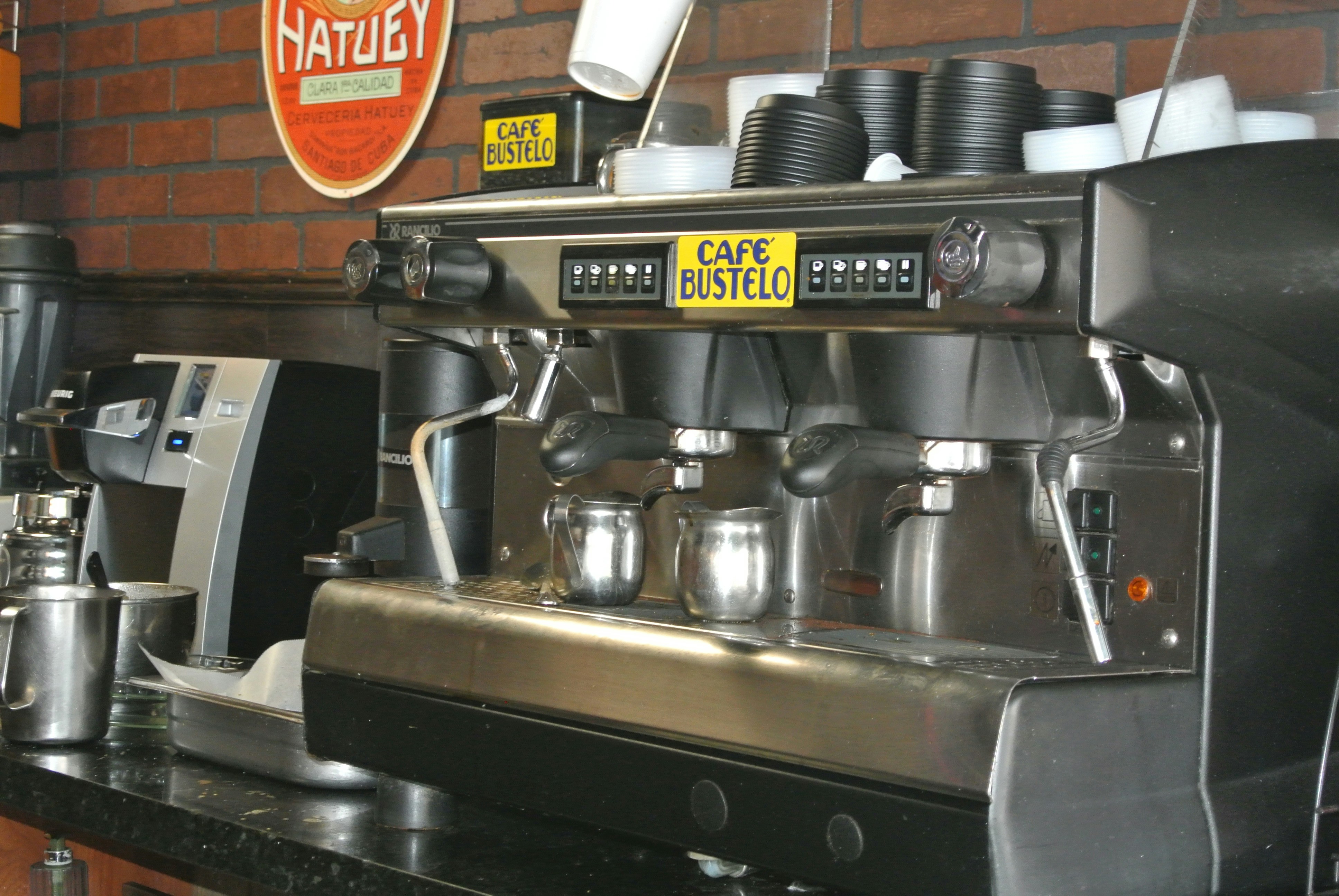
Introduction to Coffee Culture in America
Coffee has long held a prominent place in American culture, tracing its roots back to the colonial period when it was first introduced as a popular beverage. During these early years, coffee emerged as a symbol of rebellion against British tea, particularly following the Boston Tea Party of 1773. As the nation evolved, so too did the consumption patterns surrounding this beloved beverage. Throughout the 19th and 20th centuries, coffee became a staple in American households, reflecting both societal changes and advancements in brewing technology.


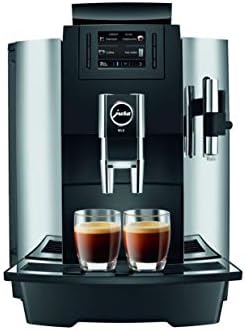

The post-World War II era witnessed a significant shift in coffee consumption, with the establishment of the diner culture popularizing coffee as a social ritual. This period also saw the introduction of instant coffee, which made brewing easier and more accessible to the general public. In recent decades, however, there has been a remarkable transformation in the way Americans perceive and enjoy coffee, moving towards a more sophisticated appreciation of flavor profiles and brewing methods. The emergence of specialty coffee shops in the late 1990s catalyzed this trend, as consumers began to seek out high-quality coffee sourced from specific regions and prepared using artisanal techniques.
Today’s coffee culture in America is characterized by a demand for authenticity and craftsmanship, leading to an increased interest in gourmet brewing equipment. The growing appreciation for high-quality brews has driven many enthusiasts to invest in coffee machines that allow them to replicate café-quality experiences at home. These devices range from traditional espresso machines to advanced brewing systems that cater to various preferences, ensuring that coffee lovers have access to a wider spectrum of flavors and aromas.
The demand for coffee machines in the United States reflects not only the shift in consumption habits but also the significance of coffee as a daily ritual for millions. Therefore, understanding the evolution of coffee culture is crucial to appreciating the rising demand for innovative coffee brewing equipment in the current market.
The Coffee Machine Market Landscape
The coffee machine market in the United States has experienced a substantial transformation in recent years, reflecting the evolving preferences of consumers and an increasing appreciation for coffee culture. Recent statistics indicate that the market has seen a notable growth rate, with sales figures surpassing $4 billion in annual revenue as of 2023. This upward trajectory is fueled by an expanding variety of products that cater to diverse consumer tastes and brewing styles.
Among the myriad of options available, drip coffee makers remain the most popular choice, accounting for approximately 40% of total coffee machine sales. These machines appeal to a wide demographic due to their ease of use and ability to brew larger quantities of coffee at once. Espresso machines, both manual and automatic, closely follow, capturing around 30% of the market. The growing interest in specialty coffee has propelled this segment, with consumers seeking the authentic café experience at home.
Pod-based coffee machines have also gained significant traction, driven by their convenience and speed. This segment is particularly appealing to busy individuals or those who prefer single servings, representing about 25% of sales. Factors influencing consumer preferences include lifestyle changes, a desire for high-quality beverages, and the growing trend of home brewing, which has been accelerated by the COVID-19 pandemic.
The competitive landscape among manufacturers and retailers is marked by both established brands and new entrants striving to capture market share. Leading brands such as Keurig, Breville, and Cuisinart have introduced innovative features, such as smart connectivity and customizable brewing options, to enhance the user experience. Retailers, both online and brick-and-mortar, play a critical role in the coffee machine market, providing consumers with a wide range of choices and the opportunity to compare products easily.
In conclusion, the coffee machine market in the United States is thriving, characterized by strong growth, diverse product offerings, and intense competition among manufacturers. This dynamic environment continues to evolve as consumer preferences shift, positioning the industry for future development and innovation.
Factors Driving Demand for Coffee Machines
The surge in demand for coffee machines in the United States can be attributed to various interrelated factors that reflect changing consumer preferences and lifestyles. One of the most significant influences has been the shift in consumer behavior towards home brewing, a trend that gained momentum during the COVID-19 pandemic. As lockdowns and social distancing measures transformed daily routines, many individuals sought to replicate café-quality beverages in the comfort of their homes. This shift not only fueled the purchase of coffee machines but also increased interest in diverse brewing methods and premium coffee options.
Another critical factor in this rising demand is the desire for convenience and quality. Today’s consumers are becoming increasingly discerning about their coffee experiences. They seek machines that offer a blend of efficiency and sophistication, enabling them to produce high-quality coffee with minimal effort. Coffee machines equipped with advanced technology, such as programmable settings and built-in grinders, cater to this demand, allowing users to enjoy customized beverages while saving time.
Furthermore, the impact of social media and influencer culture cannot be underestimated. As coffee culture has been beautifully showcased through various platforms, influencers often share their home brewing experiences, innovative recipes, and visuals of aesthetically pleasing coffee setups. This exposure has greatly influenced consumer choices, encouraging individuals to invest in high-quality coffee equipment to create similar experiences. As platforms like Instagram and TikTok continue to drive trends, the allure of both home brewing and unique coffee creations grows.
In light of these factors, it is evident that the increasing demand for coffee machines is not merely a result of market trends, but rather a reflection of evolving consumer values in terms of convenience, quality, and aesthetics in their coffee enjoyment. The convergence of lifestyle changes, technological advancements, and social media influence is shaping the coffee landscape, positioning coffee machines as essential tools for coffee enthusiasts across the nation.
Eco-Friendly Trends in Coffee Machine Selection
In recent years, the demand for coffee machines that align with eco-friendly practices has surged, reflecting a growing consumer awareness regarding environmental sustainability. As the effects of climate change and environmental degradation become increasingly evident, consumers in the United States are prioritizing products that contribute to a sustainable lifestyle. This shift towards eco-conscious consumerism is evident in the coffee machine market as brands incorporate environmentally-friendly materials and energy-efficient technologies into their designs.
Many manufacturers are now producing coffee machines that utilize sustainable materials, such as reclaimed plastics and biodegradable components. This transition not only reduces the carbon footprint of the product but also appeals to consumers who wish to support brands committed to sustainability. Furthermore, innovations such as energy-efficient heating elements are being integrated into coffee machines, ensuring that they consume minimal electricity while still providing a high-quality brewing experience. These energy-savvy models are designed to use less energy during operation and incorporate automatic shut-off features, contributing to further energy savings.
Another significant trend in the eco-friendly coffee machine market is the rise of reusable coffee pod options. Brands are developing machines compatible with reusable pods, enabling consumers to reduce single-use plastic waste associated with traditional coffee pod usage. This development allows users to select their coffee grounds while minimizing environmental impact, thus promoting a more sustainable brewing process. As more consumers adopt eco-friendly practices in their daily lives, coffee machines that offer these sustainable features will likely continue to gain traction. The coffee machine industry is evidently adjusting to meet the expectations of environmentally conscious consumers, positioning itself to thrive in a market that increasingly values sustainability.
The Role of Technology in Coffee Machines
In recent years, technology has significantly influenced the landscape of coffee machines, making them more user-friendly and efficient. The surge in demand for high-quality coffee at home has led to the development of smart coffee machines that integrate with mobile applications, allowing users to control brewing settings remotely. These advancements cater to the tech-savvy consumer, who values convenience and customization in their coffee-making experience.
Smart coffee makers often feature Wi-Fi or Bluetooth connectivity, enabling users to start brewing from their smartphones, adjust brewing strength, and even schedule brewing times. This level of control means that coffee enthusiasts can wake up to their preferred brew prepared exactly to their liking. Additionally, app connectivity allows for monitoring maintenance needs, such as descaling reminders, which enhance the longevity of the coffee machine and overall user experience.
Automation has also played a pivotal role in the transformation of coffee machines. Automated brewing systems eliminate common manual tasks, such as measuring coffee grounds or calculating water temperatures, thus providing a more consistent and simplified brewing process. Innovations in design have led to features such as built-in grinders that ensure freshness, as well as the ability to customize aspects like brewing temperature and strength. These enhancements contribute to a more personalized coffee experience, meeting the specific preferences of individual users.
Furthermore, manufacturers are increasingly focusing on user-centric designs that create an intuitive interaction with the coffee machines. Touchscreen interfaces and programmable settings afford users the flexibility to experiment with various brewing methods, catering to both novice brewers and experienced coffee aficionados. This evolution in technology not only aligns with consumer preferences but also reflects a broader trend of integrating smart home devices into everyday life, ultimately shaping the future of coffee consumption in the United States.
Consumer Review Trends and Preferences
As the demand for coffee machines continues to grow in the United States, understanding consumer review trends and preferences is essential for both manufacturers and retailers. A closer examination of user feedback reveals several key features that consumers prioritize when selecting their ideal coffee machines. Among these, ease of use stands out as a primary consideration. Many users appreciate machines that can deliver quality coffee with minimal complexity, reflecting a broader trend toward convenience in home brewing.
In addition to ease of operation, versatility is another crucial factor. Consumers increasingly favor multi-functional coffee machines that can accommodate a variety of brewing methods, including single-serve options, espresso, and traditional drip coffee. Such versatility allows users to experiment with different brewing techniques, catering to diverse tastes and preferences within households. The ability to customize beverage strength and temperature settings is also frequently mentioned in reviews, as it enhances the overall brewing experience.
Maintenance requirements significantly influence consumer choices as well. Coffee enthusiasts often express a desire for machines that are easy to clean and maintain, as this can impact both the longevity of the machine and the quality of the coffee produced. Innovations such as washable components and descaling alerts are highly appreciated features that cater to these consumer needs.
Finally, the overall brewing quality remains paramount. User reviews frequently highlight the importance of flavor consistency and temperature control as pivotal elements that affect the final coffee experience. Buyers are inclined to invest in machines that deliver rich, flavorful brews consistently, reinforcing the connection between high-quality coffee and positive consumer sentiment.
Through analyzing these trends and preferences, it becomes evident that manufacturers must remain attentive to consumer feedback to meet the evolving expectations of coffee machine users in a competitive market.
The Impact of COVID-19 on Home Brewing
The COVID-19 pandemic has significantly altered many aspects of daily life, particularly in the realm of food and beverage consumption. As restrictions on social gatherings and shutdowns of public spaces took effect, many individuals found themselves confined to their homes, thereby prompting a shift in coffee consumption habits. With cafés and coffee shops closing or operating at reduced capacity, consumers have increasingly turned to home brewing as both a necessity and a pleasurable pastime. This transition has led to a notable rise in the demand for coffee machines across the United States.
As people adapted to remote work and extended periods at home, brewing coffee in the comfort of one’s kitchen became both a convenient option and a way to replicate the café experience. Coffee enthusiasts and casual drinkers alike began investing in high-quality coffee machines to create their preferred beverages without the need to venture out. The market has seen a surge in consumers seeking an array of devices, from single-serve machines to high-end espresso makers, catering to varying tastes and budgets. Such investments reveal a deeper appreciation for quality coffee experiences at home, underscoring a growing consumer trend towards home brewing.
This shift has been accompanied by an increase in interest in the art of brewing coffee, with enthusiasts sharing tips and recipes online. The emphasis on home brewing, combined with a desire for quality, has, therefore, influenced manufacturers to innovate and adapt their offerings to meet the rising consumer expectations. Furthermore, sales of specialty coffee beans and accessories have also seen a boost, highlighting a broader trend where consumers are not only purchasing machines but also investing in the overall coffee brewing experience at home.
In light of these developments, it is clear that the pandemic has had a profound and lasting effect on coffee consumption habits. The rising popularity of home brewing has catalyzed a new era for coffee machines in American households, reflecting a shift in how people engage with one of the world’s most beloved beverages.
Future Trends in the Coffee Machine Industry
As consumer preferences continue to evolve, the coffee machine industry is poised for significant transformation. One trend gaining traction is the integration of subscription services for coffee machines. These services offer a seamless approach to acquiring coffee supplies, allowing customers to receive freshly roasted beans or capsules delivered to their homes on a regular basis. As convenience and quality become paramount, companies are likely to capitalize on this demand by providing tailored subscription options that cater to individual tastes and brewing preferences.
Additionally, the fusion of coffee machines with smart home ecosystems represents a promising avenue for growth. Smart coffee machines equipped with Wi-Fi or Bluetooth connectivity enable users to control brewing settings through mobile apps or voice-activated devices. Such functionalities not only enhance user experience but also contribute to energy efficiency by allowing pre-programming and remote operation. As the Internet of Things (IoT) continues to expand, more households are likely to adopt smart appliances, including coffee machines, thereby driving sales in this niche market.
Moreover, advancements in artificial intelligence (AI) hold the potential to revolutionize the coffee brewing process. AI-driven coffee machines could analyze user preferences over time, adjusting brew strength, temperature, and extraction time to ensure a perfect cup every time. Additionally, machine learning algorithms might be utilized to suggest optimal coffee types based on various factors such as the time of day, season, or even user mood. This personalized brewing could raise consumer satisfaction and create brand loyalty, propelling the industry further into the age of automation and intelligent design.
The coffee machine industry, fueled by subscription models, smart technology, and AI advancements, is on the cusp of exciting changes. As these trends gain momentum, they promise to reshape consumer interactions with their coffee, ultimately leading to a richer and more convenient brewing experience.
Conclusion and Final Thoughts
The love for coffee in the United States has proven to be not only enduring but also ever-evolving. Throughout this blog post, we have explored the significant rise in demand for coffee machines, highlighting the factors that contribute to this trend. From the shift in consumer preferences towards specialty coffee to the convenience that modern coffee machines offer, it is evident that the coffee culture in America continues to flourish.
As we analyzed various types of coffee machines, we noted how advancements in technology have transformed the brewing experience. Today’s consumers seek machines that not only accommodate a variety of brewing styles but also emphasize the quality of the coffee produced. This growing trend reflects a deeper engagement with coffee, as consumers increasingly appreciate the nuances in flavor profiles and brewing methods.
Moreover, the introduction of smart coffee machines has reshaped how coffee enthusiasts interact with their favorite beverage. These machines allow for customizable settings, enabling users to tailor their brewing process according to personal preferences. This capability not only enhances the overall coffee experience but also caters to the diverse needs of coffee drinkers across the nation. With such innovations, the coffee machine market is likely to continue expanding, aligning with the ongoing growth in coffee demand.
As you reflect on your own coffee preferences, consider what characteristics are most important to you in a coffee machine. Whether it’s the ability to brew café-quality espresso at home or a user-friendly design, understanding your specific brewing needs can enhance your enjoyment of coffee significantly. The choices available today are more varied than ever, and selecting the right machine can bring the coffee shop experience directly into your home.
In conclusion, as coffee continues to hold a special place in American culture, the corresponding evolution of coffee machines will likely thrive, helping enthusiasts enjoy each cup to the fullest.