
A Breakdown of Health Benefits and Risks
Introduction
Coffee is more than a beverage—it’s a daily ritual, a productivity boost, and even a conversation starter. Whether you’re sipping from a sleek espresso machine or relying on instant brews, your choice of coffee gear matters. Check out our favorite brewing tools here for a better, healthier cup.


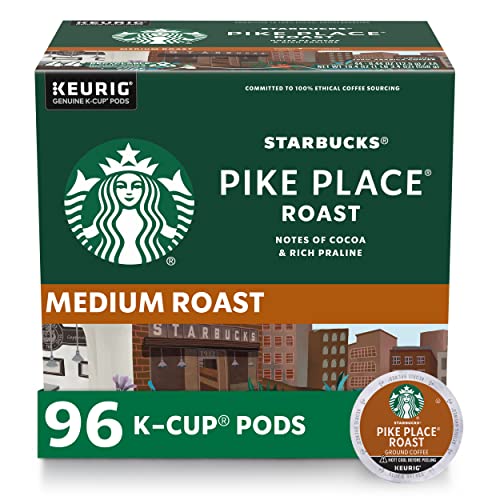
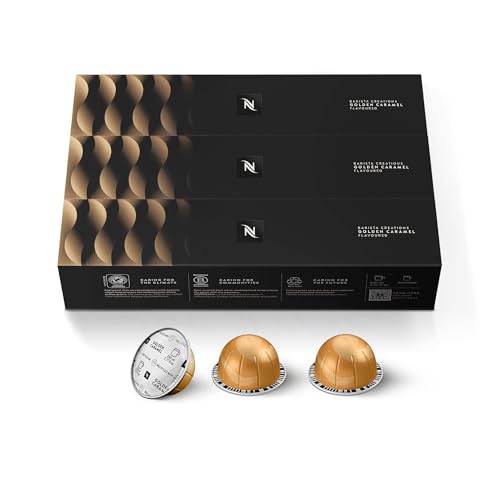
With billions of cups consumed daily around the globe, coffee has sparked endless debates and studies. In this article, we’ll break down the science, uncover the perks, and reveal the potential health pitfalls—so you can enjoy your cup with confidence.
🧪 The Science Behind Coffee: What’s in a Cup?
Coffee is more than caffeine. Each cup is a chemical cocktail of over 1,000 compounds. Key players include:
- Caffeine: A central nervous system stimulant that blocks adenosine, increasing alertness
- Chlorogenic acids: Powerful antioxidants linked to reduced inflammation
- Diterpenes (cafestol and kahweol): Found in unfiltered coffee; may raise cholesterol levels
- Trigonelline: Contributes to aroma and may have neuroprotective properties
Research shows that the health effects of coffee depend not only on what’s in it, but how it’s consumed—filtered vs. unfiltered, black vs. sweetened, moderate vs. excessive.
✅ Health Benefits of Coffee
🧠 1. Brain Boost and Mental Performance
- Caffeine improves alertness, concentration, and short-term memory
- Studies link moderate coffee consumption to reduced risk of Alzheimer’s and Parkinson’s disease
- May enhance mood and reduce risk of depression when consumed in moderation
❤️ 2. Heart Health
- Moderate intake (3–5 cups/day) is associated with lower risk of stroke and coronary disease
- Antioxidants in coffee may reduce inflammation and improve blood vessel function
- Important to differentiate between filtered (beneficial) and unfiltered (may increase LDL cholesterol)
🩺 3. Metabolism and Disease Prevention
- Linked to a lower risk of type 2 diabetes, due to improved insulin sensitivity
- May help protect the liver—research suggests a reduced risk of cirrhosis and fatty liver disease
- Antioxidants combat free radicals, reducing cell damage and cancer risk
🏃♂️ 4. Physical Performance and Weight Management
- Caffeine boosts energy levels and endurance
- Thermogenic properties may assist in fat burning and weight control
⚠️ Health Risks of Coffee
🌪️ 1. Anxiety, Sleep Disruption, and Mood Swings
- High caffeine intake can cause jitters, insomnia, and irritability
- Individuals with anxiety disorders may experience heightened symptoms
- Caffeine has a half-life of 5–6 hours; late-day consumption may disrupt sleep cycles
♻️ 2. Dependence and Withdrawal
- Regular use can lead to tolerance, requiring more for the same effect
- Sudden cessation may cause headaches, fatigue, and irritability
- Classified as a “mildly addictive” substance due to psychological dependence
🧬 3. Individual Sensitivities
- Genetic differences in metabolizing caffeine mean reactions vary widely
- Pregnant individuals advised to limit intake due to potential effects on fetal development
- Certain medications interact with caffeine, amplifying or reducing effects
🩺 4. Digestive Issues and Cholesterol
- Unfiltered coffee (e.g., French press, espresso) may raise LDL cholesterol
- Can irritate the stomach lining in sensitive individuals
- May exacerbate acid reflux and gastritis
🧭 The Moderation Mantra: How Much Is Too Much?
Most health experts agree: 3 to 5 cups of coffee daily is safe—and may be beneficial—for most adults. However, excess intake (more than 400mg of caffeine per day) can trigger negative side effects. Moderation also means paying attention to preparation:
- Black coffee vs. sugar-loaded lattes
- Filtered vs. French press
- Time of consumption—avoid caffeine close to bedtime
It’s essential to know your body’s tolerance and adjust consumption accordingly. Coffee should energize, not overpower.
🪞 Conclusion:
Coffee isn’t inherently good or bad—it’s complex. Like any dietary habit, context matters. When consumed thoughtfully, coffee offers a host of benefits: cognitive perks, metabolic boosts, and antioxidant protection. But overindulgence or mismatched tolerance can turn it into a source of stress, sleep trouble, or health risk.
So, the verdict? Drink up—but with intention. Let your cup of coffee be an ally, not an adversary, in your journey to well-being.